Next-Gen Logistics: Building Resilient Supply Chains with AI
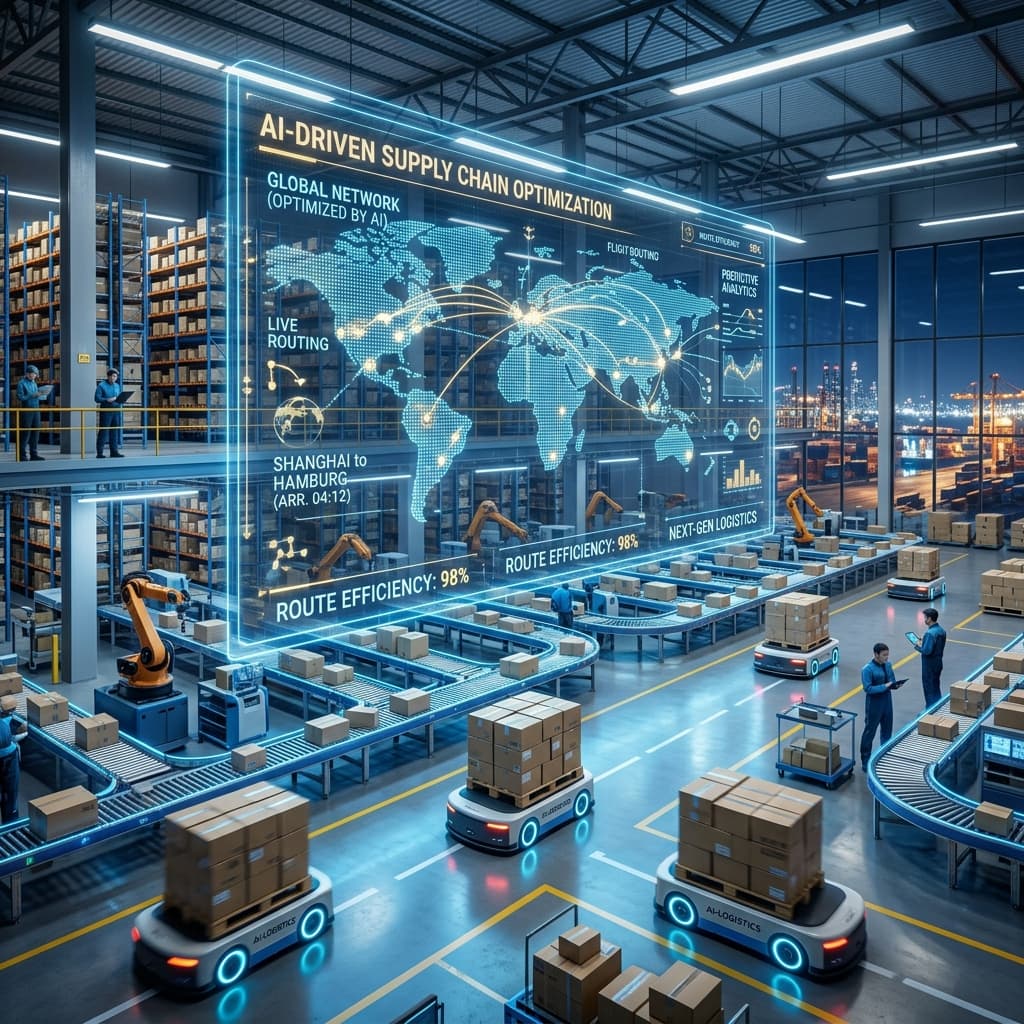
Optimizing the Global Flow of Goods
In a hyper-connected world, supply chain disruptions can have catastrophic economic impacts. The logistics industry is turning to Artificial Intelligence and advanced analytics to build resilient, transparent, and highly optimized supply chains that can adapt to global shocks in real-time.
Demand Forecasting and Inventory Management
Maintaining the perfect balance of inventory is a massive challenge. AI models analyze historical sales data, weather forecasts, social media trends, and economic indicators to predict consumer demand with astonishing accuracy. This allows retailers and manufacturers to position inventory strategically, reducing holding costs and preventing stockouts.
Route Optimization and Autonomous Fleets
The "last mile" of delivery is notoriously the most expensive and complex. AI optimizes delivery routes dynamically, accounting for traffic, weather, and delivery windows.
- Fuel Efficiency: Optimized routing drastically reduces fuel consumption and carbon footprint.
- Warehouse Automation: AI-powered robots manage inventory storage and retrieval, speeding up order fulfillment tenfold.
- Autonomous Delivery: Self-driving trucks and delivery drones are moving from concept to reality, promising 24/7 delivery capabilities.
"A smart supply chain is a competitive weapon. It turns logistical challenges into strategic advantages." - Betopia Group Logistics Experts
Conclusion
The logistics industry is the backbone of global commerce. By integrating AI and autonomous technologies, logistics providers are creating agile supply chains capable of delivering faster, cheaper, and more reliably than ever before.